When Survival Is Just the Beginning: Sepsis and the Gap That Follows
Sepsis tells two stories: a rapid, dramatic one in the acute phase – and a second, much quieter one that begins after survival. While doctors fight for every organ in the first critical hours, the struggle for many patients only truly begins afterwards. The consequences may appear invisible compared to the initial crisis, but they are often more persistent.
That these long-term effects are often overlooked is rarely due to a lack of will among intensive care specialists. Many would prefer to better prepare their patients for what’s ahead. But the clinical routine leaves little time, and often, patients are moved to another ward before they are fully lucid enough to ask questions. Between emergency care, stabilization, and discharge, there’s little space for meaningful conversations.
When Survival Is Just the Beginning
Sepsis occurs when the body can no longer contain an infection locally. The situation can become life-threatening within hours. In Europe, approximately one in four affected individuals dies from it. Many survivors report a wide range of long-term effects that persist for months or even years – from weakened or overactive immune systems to organ dysfunctions, chronic pain, neurological issues, cognitive problems, fatigue, anxiety, or depression. This complex condition, known as “Post-Sepsis Syndrome,” was first described only in 2012 and affects roughly half of all sepsis survivors.

Lost in Daily Life: The Post-Sepsis Care Gap
In her research, Conny Schneider from the Ludwig Boltzmann Institute for Traumatology, the research center in cooperation with AUVA, repeatedly encounters the same obstacles. The problem is not a lack of knowledge or treatment options, but primarily a lack of coordination. The healthcare system is organized like a pyramid: intensive care sits at the top – highly specialized, overburdened, and with immense expertise. Yet patients often stay there only briefly. Long-term care typically falls to primary providers – GPs, home care nurses, or regional specialists. Whether they are familiar with a syndrome only defined in 2012 is often a matter of luck. In Austria, there is still no diagnostic code for Post-Sepsis Syndrome; in Germany, the code “U70.1 – Condition after Sepsis” was introduced in November 2025. Without context, the symptoms appear vague and hard to classify.
Structured Aftercare Enables a Return to Everyday Life
A major step toward better care for former ICU patients was taken in March 2024: As part of the EU-funded SASICU (Safe and Smart Intensive Care Unit) project, a dedicated outpatient clinic was established at the Medical University of Vienna. This so-called Post-Intensive Care (PICS) Clinic specifically targets individuals struggling with persistent symptoms and long-term effects after intensive care.
The clinic offers tailored support and counseling based on individual needs. The innovative research project relies on interdisciplinary collaboration to provide holistic care. ICU specialist and project lead Ákos Tiboldi emphasizes that sepsis survivors are often so weakened that even attending follow-up appointments becomes a major challenge. The clinic therefore increasingly uses digital tools to make aftercare more accessible for this group.
Experiences from the PICS Clinic reflect international findings: structured aftercare can make a decisive difference. Without targeted support, more than half of patients are still unable to return to work a year after discharge. Clinics like this one aim to respond to individual needs and help patients regain autonomy.
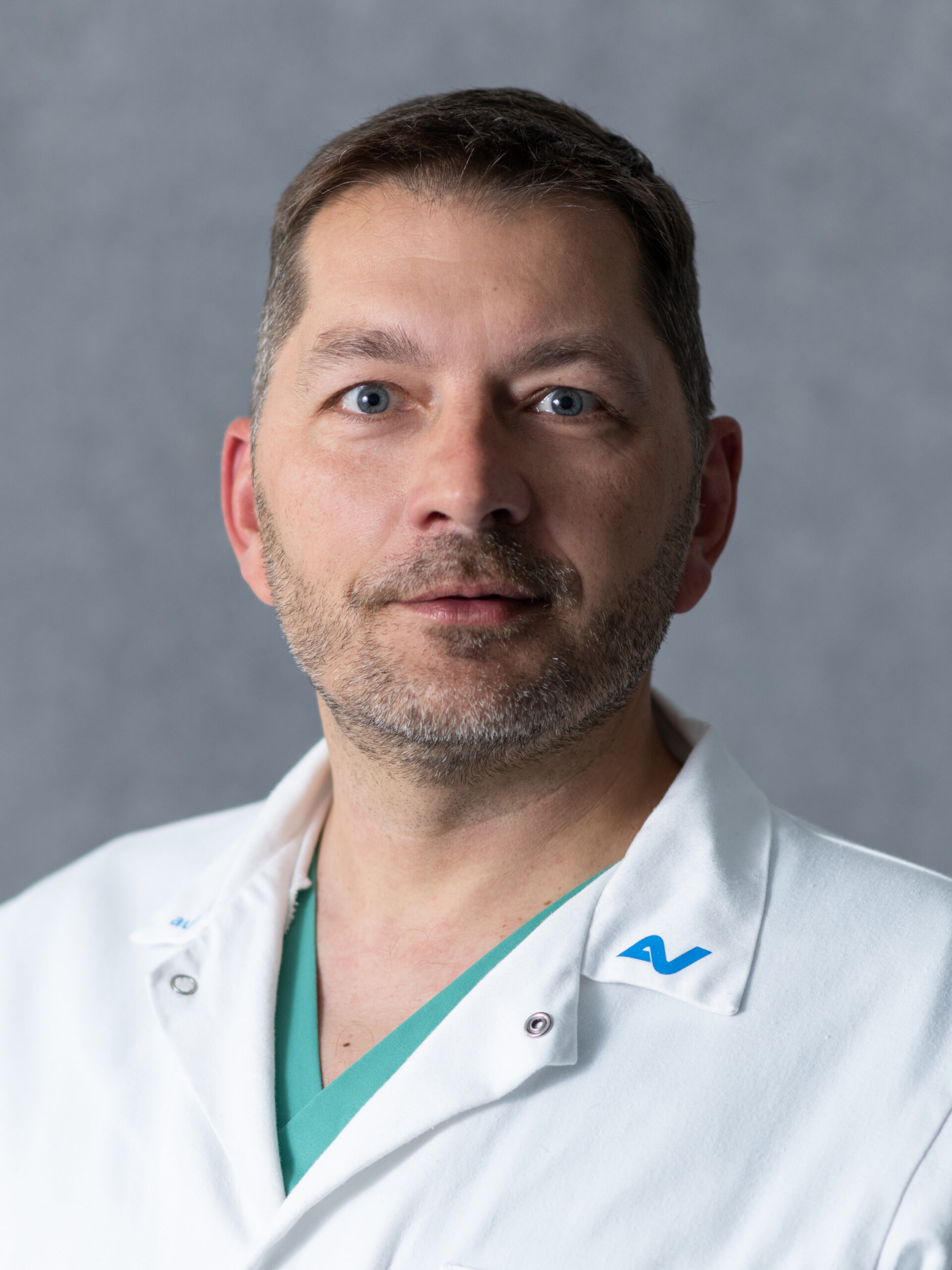
Today, Tiboldi works at the AUVA Trauma Center Vienna and sees great potential in the center’s holistic model – from acute care to rehabilitation – for optimal aftercare of ICU patients.

BEATsepsis – Research to Make the Invisible Visible
Currently, it’s difficult to predict which patients will fully recover after sepsis and which will struggle with fatigue, pain, recurring infections, or cognitive impairments months later. This uncertainty makes aftercare especially challenging: neither ICU doctors nor GPs can identify who is most at risk and needs early intervention.
This is exactly where BEATsepsis comes in. Under the leadership of Marcin Osuchowski, a team at LBI Trauma conducts science communication and clinical research in a project that follows patients across Europe for several months. Blood samples are collected during the acute phase, at discharge, and six months later. The goal: to identify biological markers that can predict the onset of Post-Sepsis Syndrome early on. If successful, ICU physicians could determine during treatment who will need special support after discharge. Patients would no longer have to search for explanations for their symptoms – they would already have them.
Looking at Long COVID shows: once a condition is named and understood, perception changes. With Post-Sepsis Syndrome, we are only at the beginning. BEATsepsis aims to accelerate this process – through data, patient voices, and research that looks where the system is still blind.